Know
Public launch of the project, school sessions and the start of citizen-science sighting records.
The project
BRAVO is a 12-month pilot study of the European wildcat in the Corno de Bico Protected Landscape. It will set the first baseline for the species in this area and lay the ground for a long-term conservation strategy.
Why now
The Red Book of Mammals of mainland Portugal (2023) lists the wildcat as Endangered. Its population size is unknown, estimated densities are below 10 individuals per 100 km² and there may be fewer than 100 breeding adults.
The main threats are road traffic, illegal killing, habitat loss and hybridisation with domestic cats, which erodes the species’ genetic identity.
There are no recent surveys for Corno de Bico. We do not know whether wildcats still use the area, or how much of the local population is already hybridised. BRAVO sets out to close that gap.
Status in Portugal
Red Book of Mammals of mainland Portugal, 2023.
< 100
Portugal may have fewer than 100 breeding adults left, at densities below 10 per 100 km². Every one counts.
How much space it needs
A single male may need almost all of Corno de Bico.
Home ranges measured in Scotland (Langridge et al. 2025). They may differ in Portugal.
Four main threats
Aims
Ethics
Education
Wildcat conservation depends on the people of Paredes de Coura. Our education programme is built on three simple actions: recognise the wildcat, look after your own cat and report sightings.
We work with schools, parish councils, vets and Associação Animais de Rua. A questionnaire at the start and another at the end of the project shows us what has changed in local knowledge and attitudes.
Public launch of the project, school sessions and the start of citizen-science sighting records.
“A cared-for cat protects the wildcat” campaign with vets and parish councils, neutering drives with Animais de Rua and a session with hunters and farmers.
Public debate on the first results, with photos from our cameras. A travelling exhibition, “Who walks through Corno de Bico?”, is in preparation.
The landscape
In the heart of Alto Minho, in Paredes de Coura, Corno de Bico combines Atlantic oak woods, heather and broom scrub, riverside woodland and farmland.
It is a mosaic where forest meets villages. That closeness makes it valuable for wildcats and also brings them into contact with domestic cats. We therefore sample three kinds of area: the edge between villages and forest, the least disturbed habitat cores, and places with past records of the species.
Exact station locations are not published, to avoid disturbing the animals.
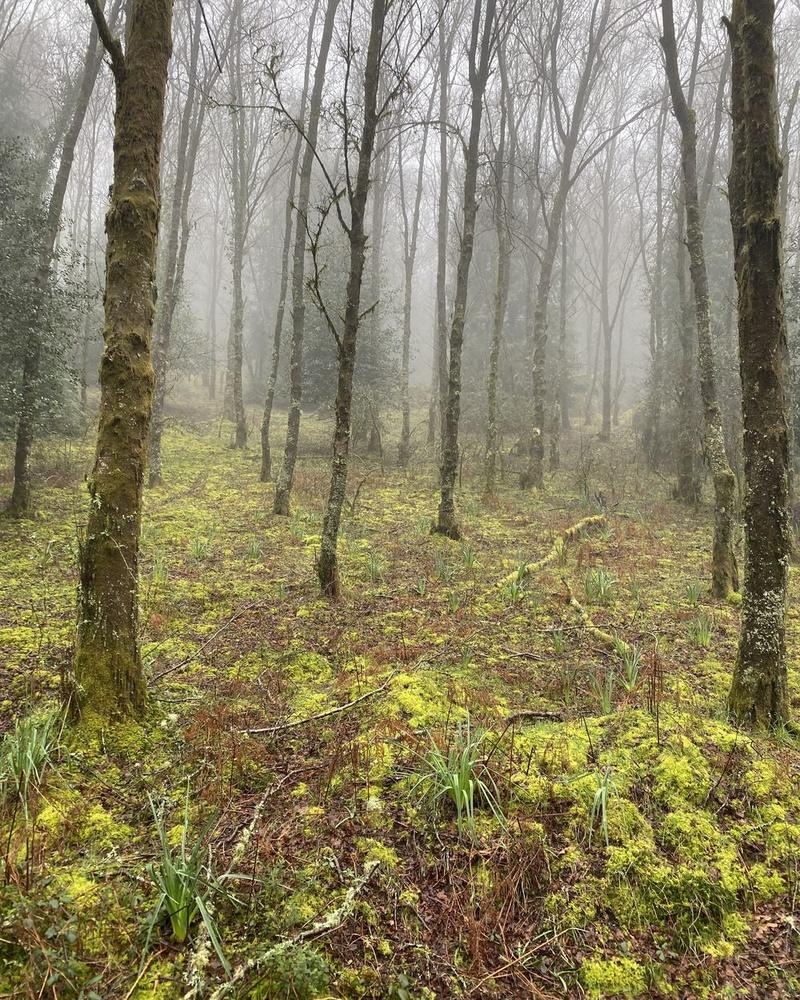
Corno de Bico landscapes
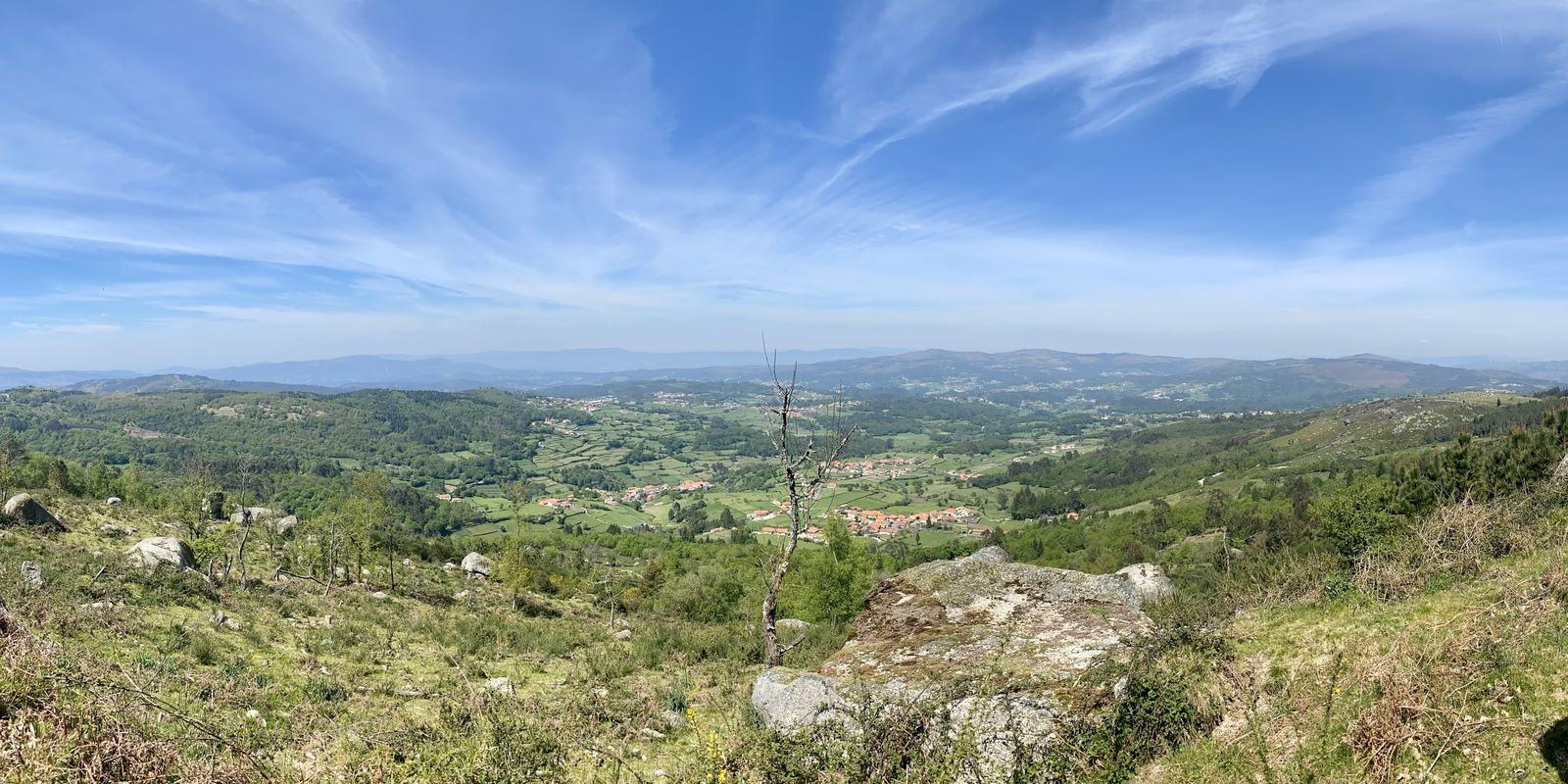
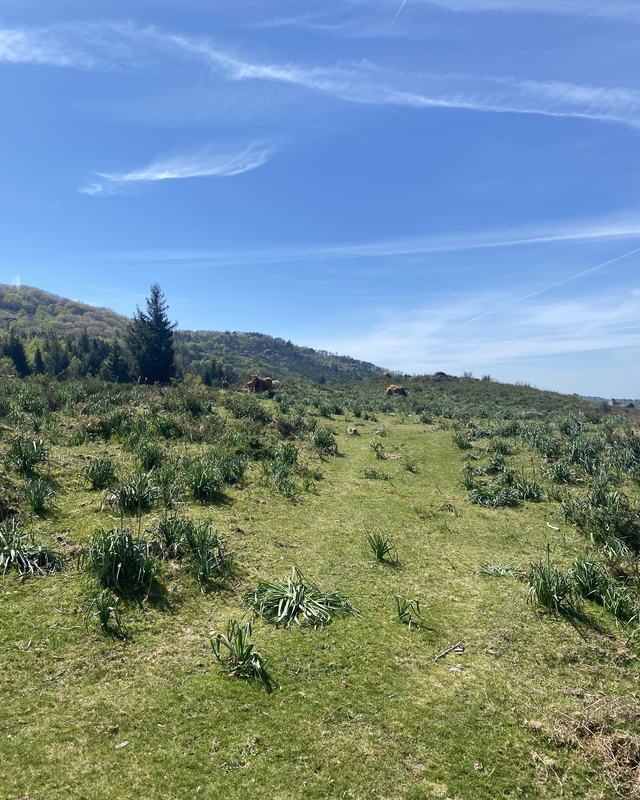
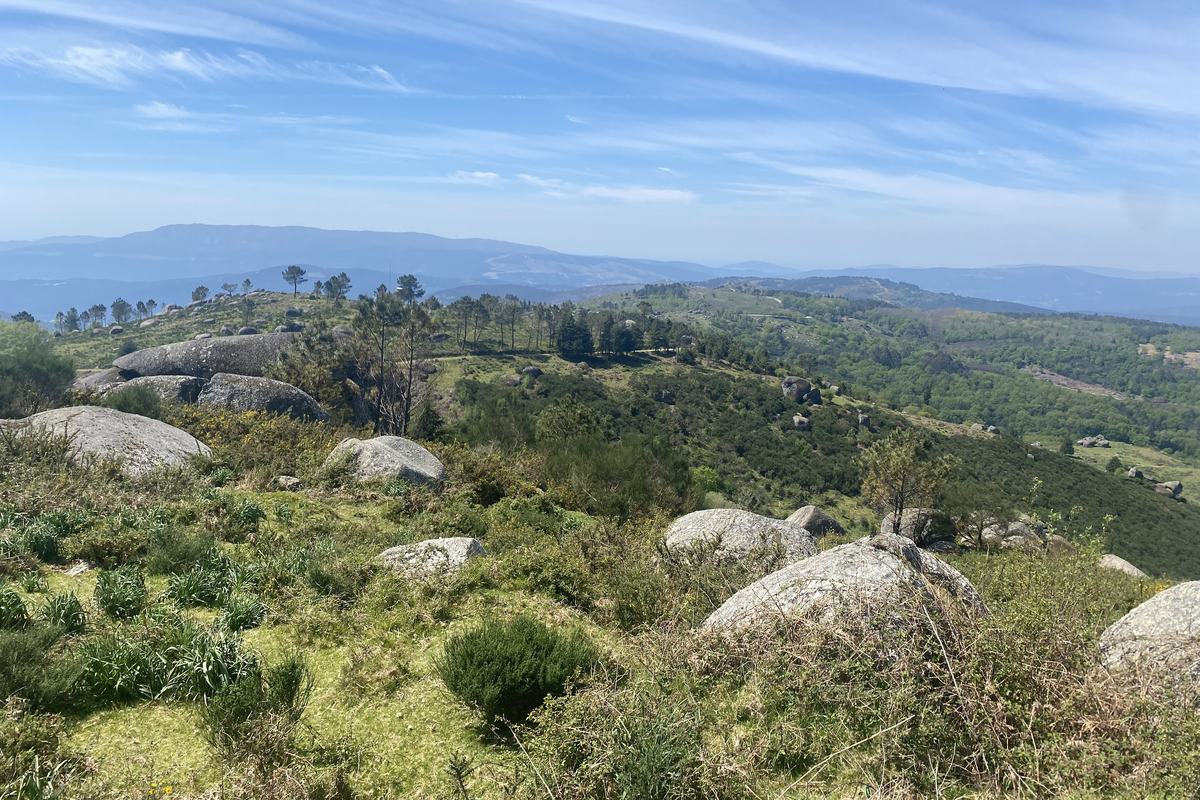
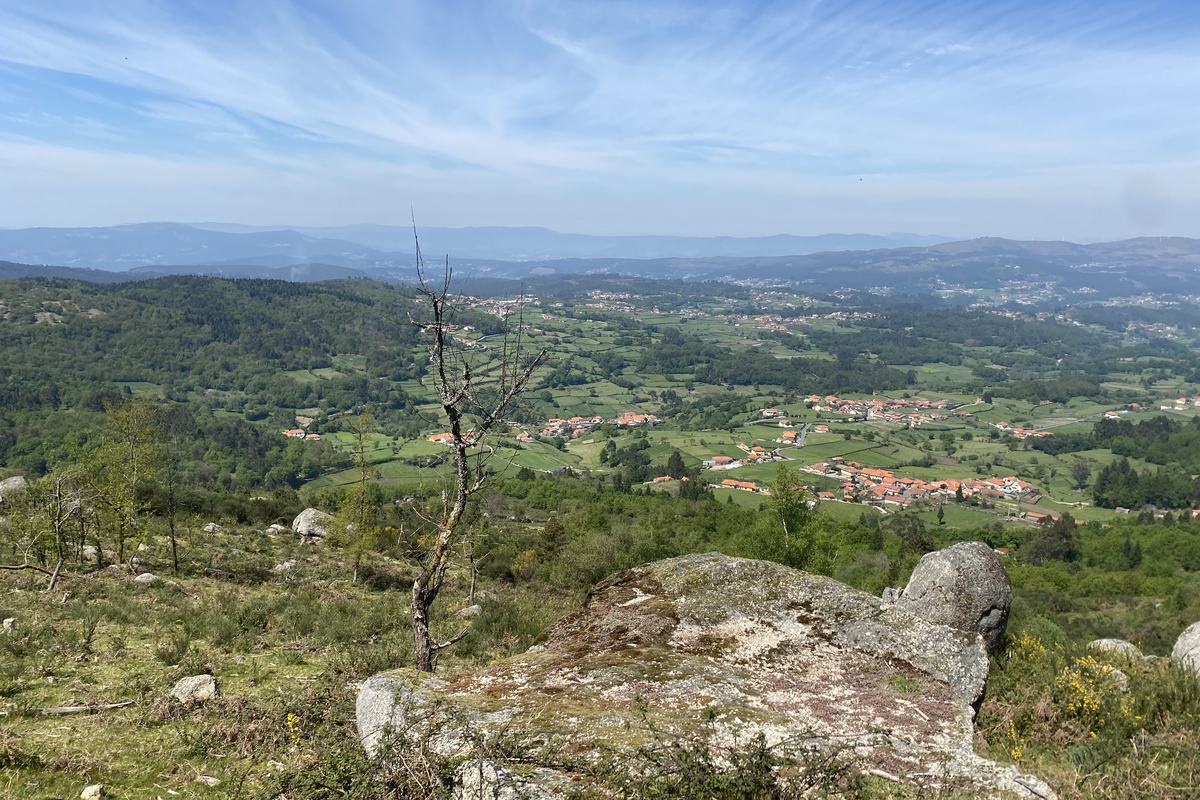
Swipe to see more.
Team
Principal investigators
Ecology, nature conservation and animal behaviour. Universidade Lusófona.
Animal welfare, environmental education and conservation. Universidade Lusófona.
Collaboration
Predators and habitat. CEABN/InBIO, Instituto Superior de Agronomia.
Field and outreach team
Public outreach. MSc in Nature Conservation, FCUL and Universidade Lusófona.
Camera and hair-stake monitoring. Biology, Universidade Lusófona.
Field and outreach assistant. BSc Biology, Universidade Lusófona.
Field and outreach assistant. BSc Biology, Universidade Lusófona.
 Município de
 Funding
 Delivering institution

 Oversight
 Feral cat neutering
 CEABN/InBIO


 Município de